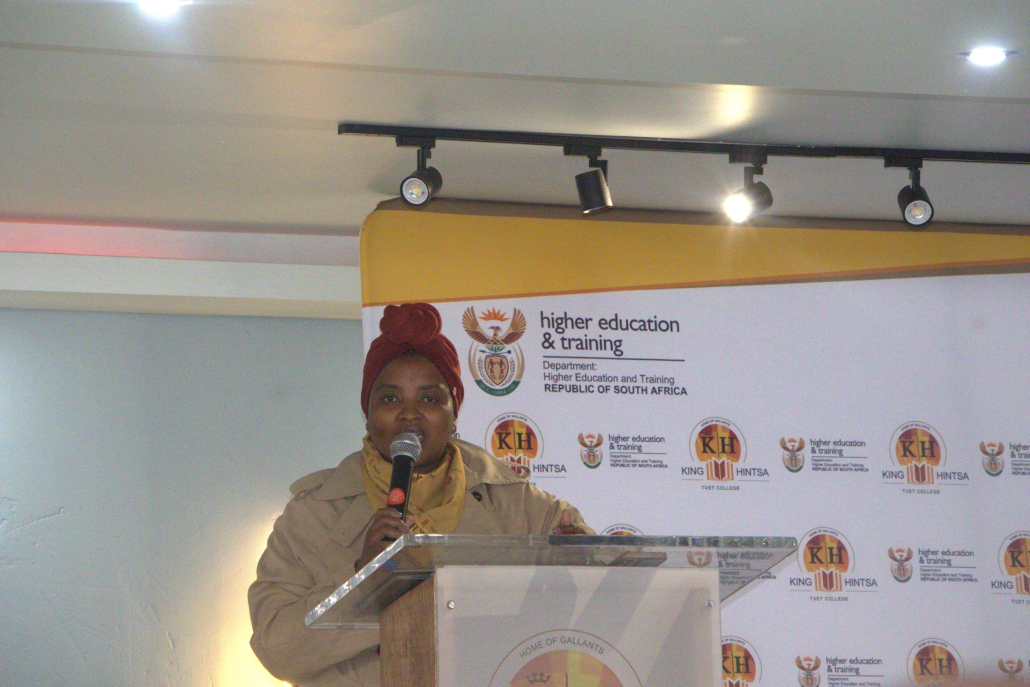
Stakeholder Engagement 2026
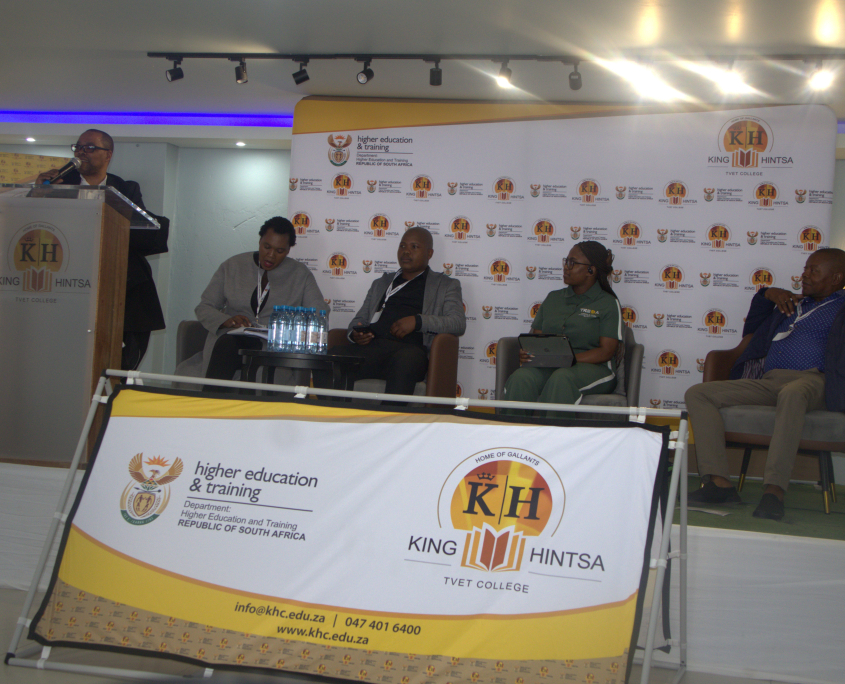
King Hintsa TVET College recently hosted a stakeholder engagement session aimed at strengthening collaboration between the college, industry leaders, private businesses, and government departments as the institution transitions towards Occupational Programmes.
The engagement brought together key stakeholders to establish common ground on skills development and ensure that programmes offered by the college remain aligned with current industry demands and provincial economic priorities. The initiative also sought to foster stronger public-private partnerships that will benefit students through improved training opportunities, workplace exposure, and employment pathways.
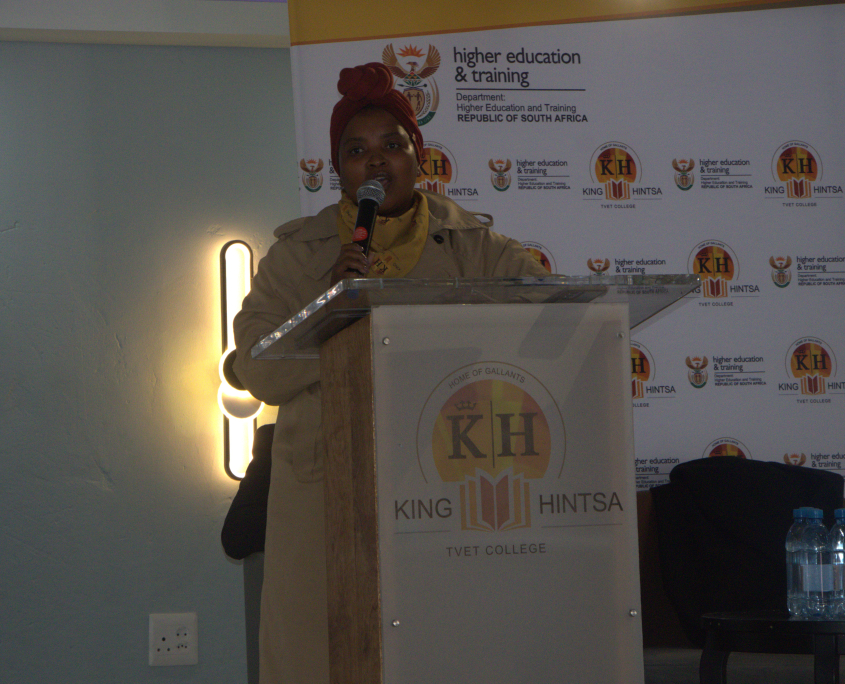
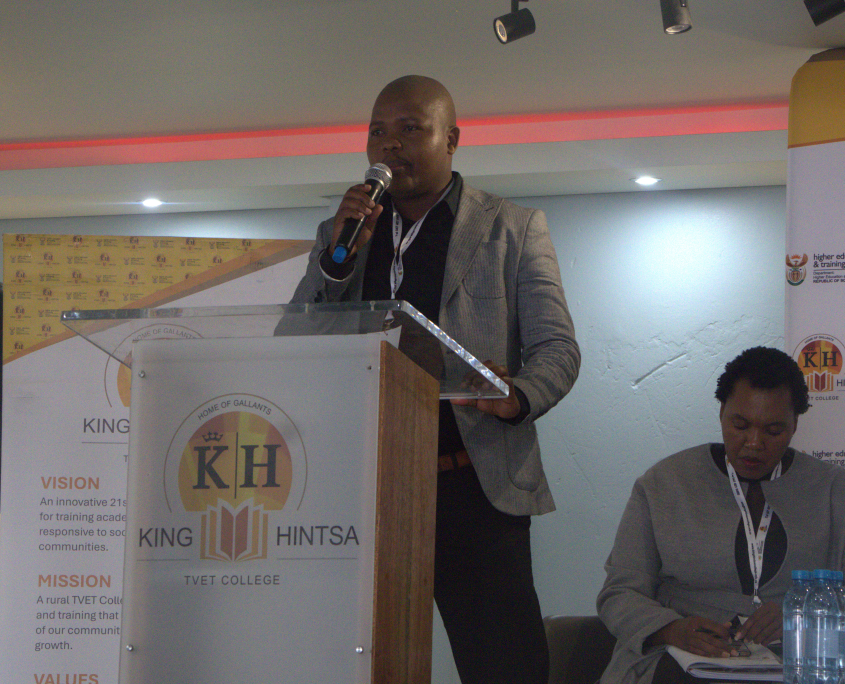
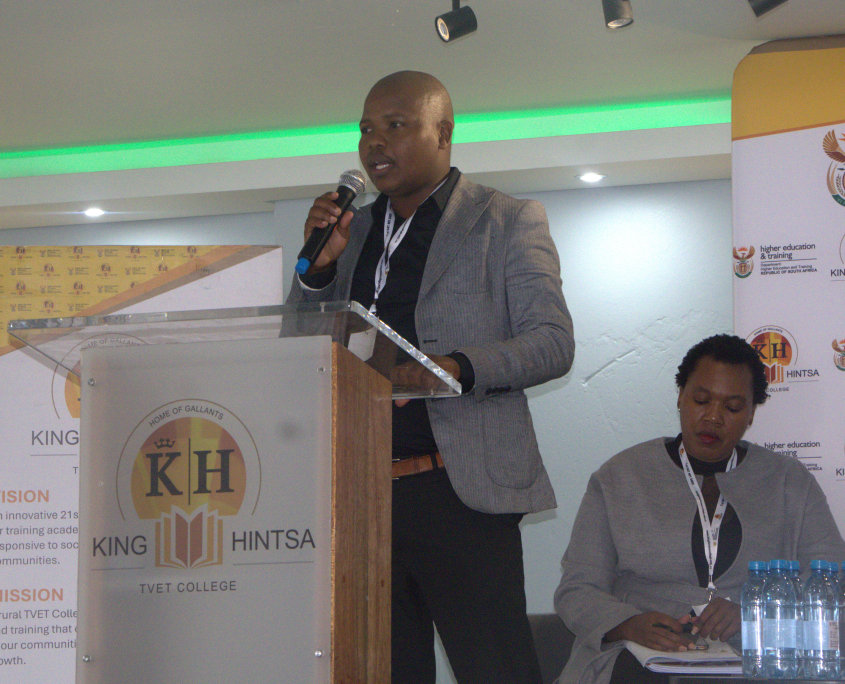
Addressing attendees during the engagement, Acting Principal Mr Shabangu outlined the college’s vision for programme expansion across campuses. He highlighted that the programmes being introduced are aligned with the province’s economic development priorities, including the oceans economy, agriculture, tourism, industrial and economic development.
Mr Shabangu further explained that the Department of Higher Education and Training is gradually phasing out legacy NATED programmes in favour of Occupational Programmes that are more skills-focused and industry-driven. As part of this transition, Msobomvu Campus is ready to offer Hairdressing, with a fully established salon already in place to support youth development and practical skills training.
The college also confirmed that Tourism Information Officer and Tourism Professional programmes have already received approval from the Quality Council for Trades and Occupations (QCTO) and will be offered at Centane Campus. Additional accreditation applications are still underway, and once approved, more programmes will be rolled out in partnership with industry stakeholders through established Memorandums of Understanding (MOUs).
The stakeholder engagement marked the beginning of what is expected to be long- term and impactful partnerships between the college and various organisations within the Amathole District. Mr Shabangu also highlighted ongoing support initiatives for students, noting that Higher Health is currently providing civic and soft skills training to students who have completed their N6 qualifications and are struggling to secure workplace placements. Through this programme, placement waiting periods are expected to be reduced from 18 months to approximately six months, with participating students receiving full funding support.
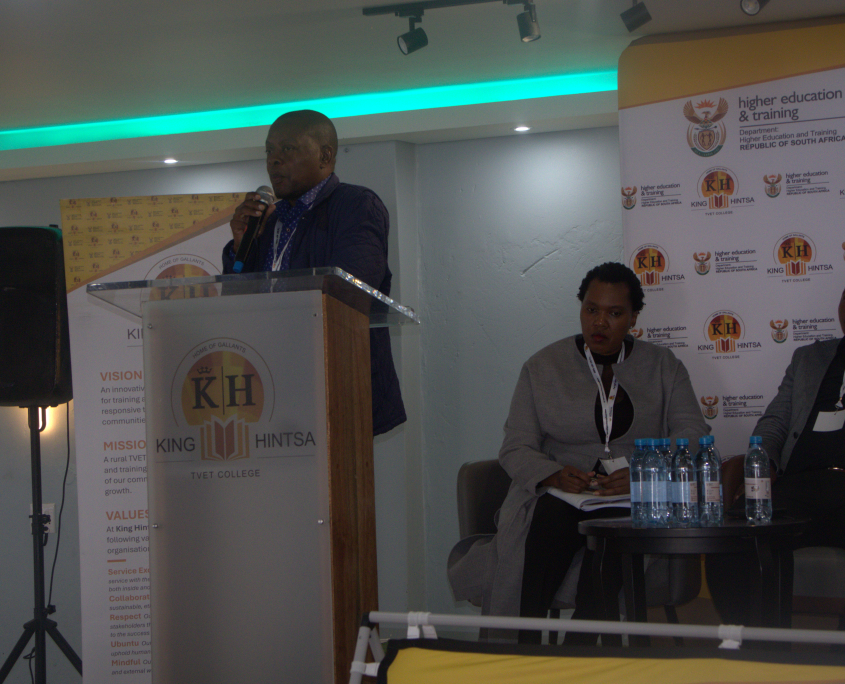
Several stakeholders commended the college for its proactive approach to addressing youth unemployment and skills shortages. Ms S. Ndabaza from the Eastern Cape Socio-Economic Consultative Council (ECSECC) praised the college for responding positively to the provincial call for skills development and economic participation. She further indicated that ECSECC is committed to supporting student entrepreneurs through business incubation and development support.
Representatives from the Department of Social Development, ASPIRE, and TREDA also welcomed the initiative and pledged their support in assisting with student placements. Stakeholders emphasised the importance of providing stipends to placed students to ensure they remain focused and committed during their workplace training opportunities.
MMC for Economic Development at Mnquma Local Municipality, Councillor Sobhekwa, reaffirmed the municipality’s partnership with the college through an existing MOU. She noted that collaboration between the municipality and the college will help bridge developmental gaps while ensuring alignment between municipal Integrated Development Plans and institutional objectives. Councillor Sobhekwe also acknowledged concerns regarding the access road to Teko Campus and committed municipal intervention to improve road conditions and engage local headsman.
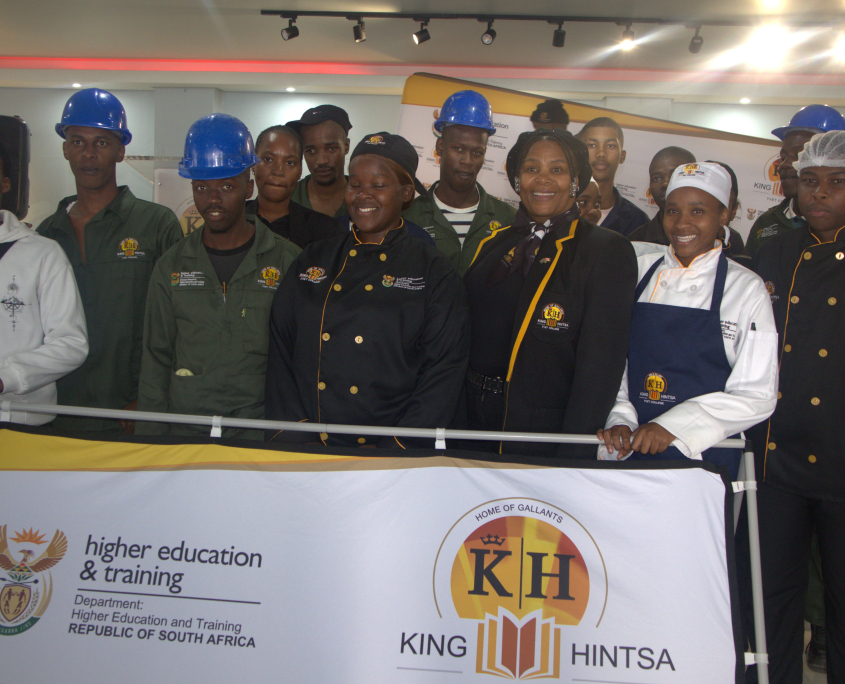
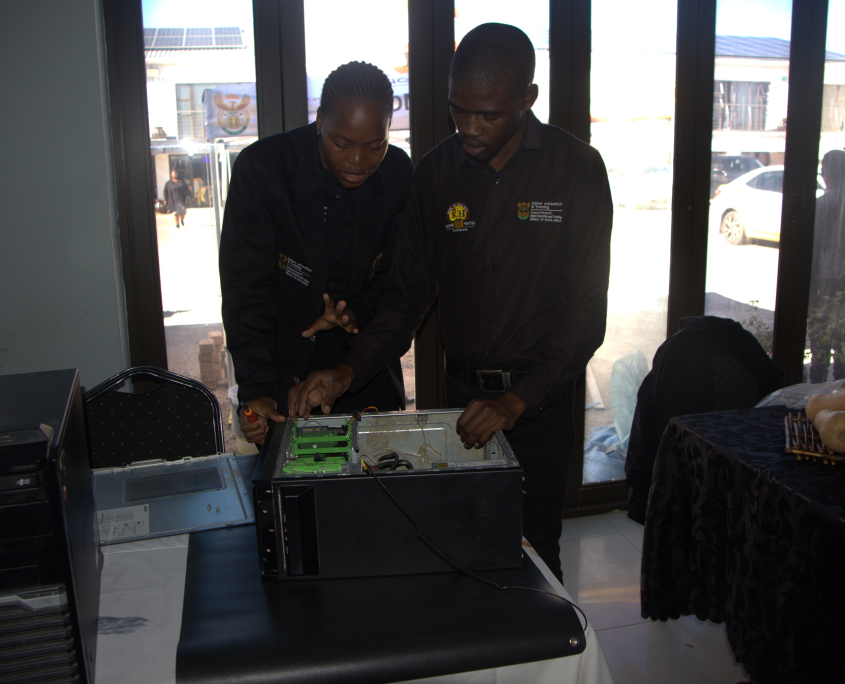
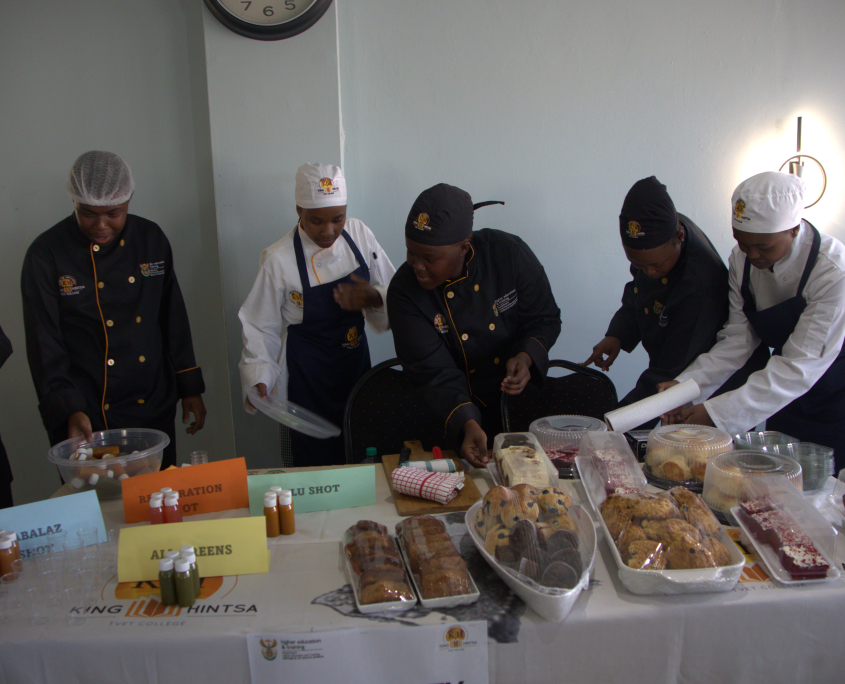
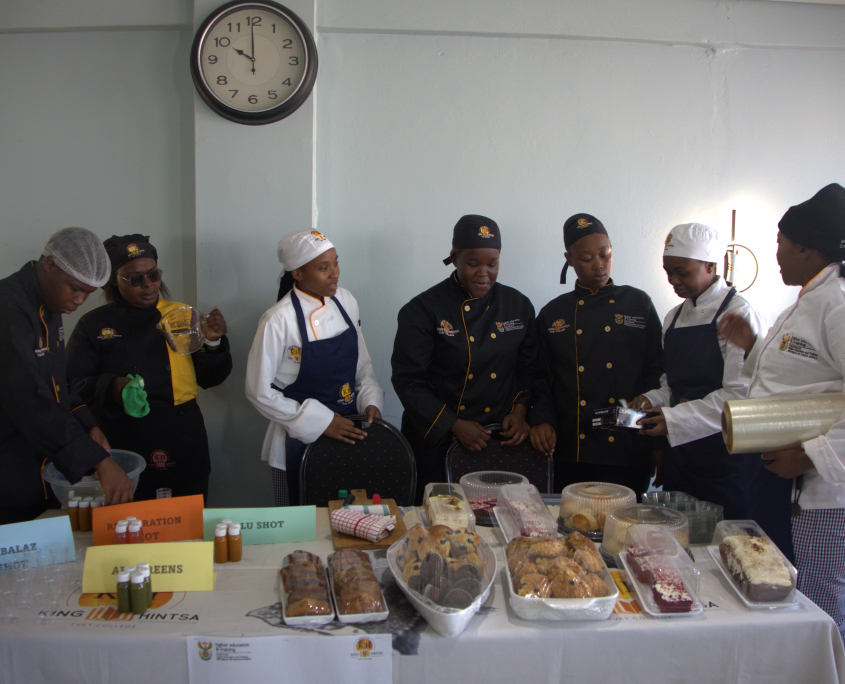
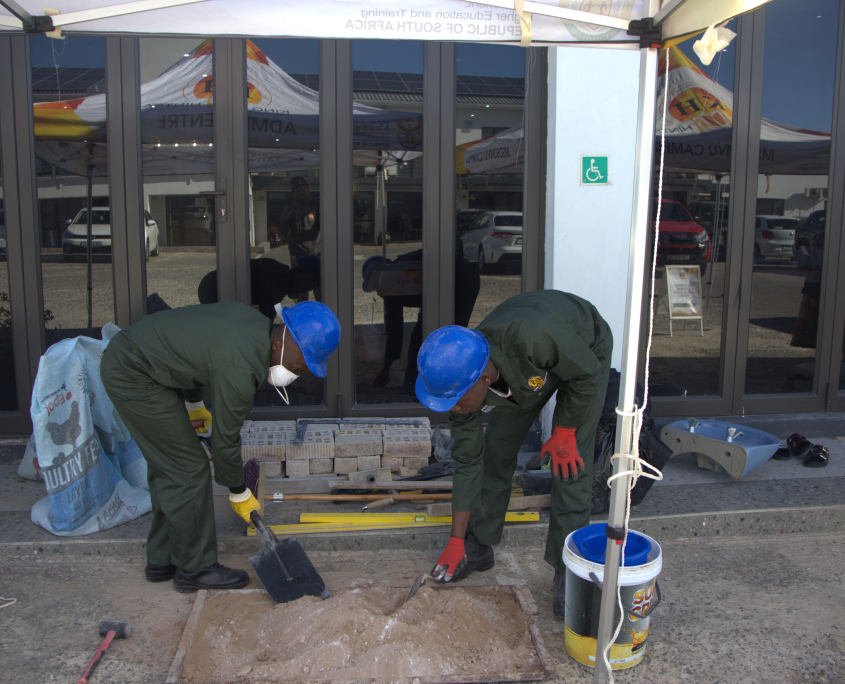
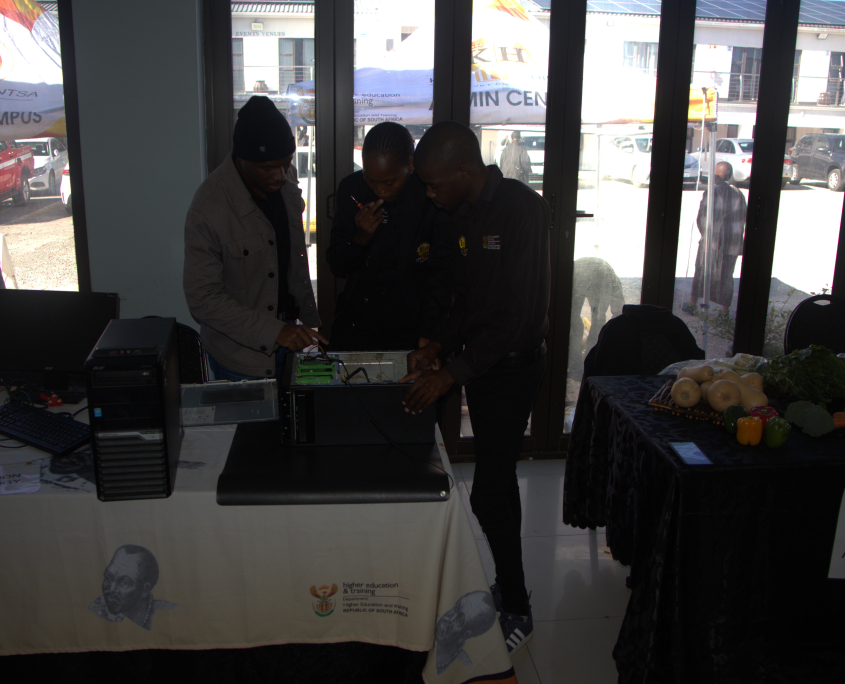
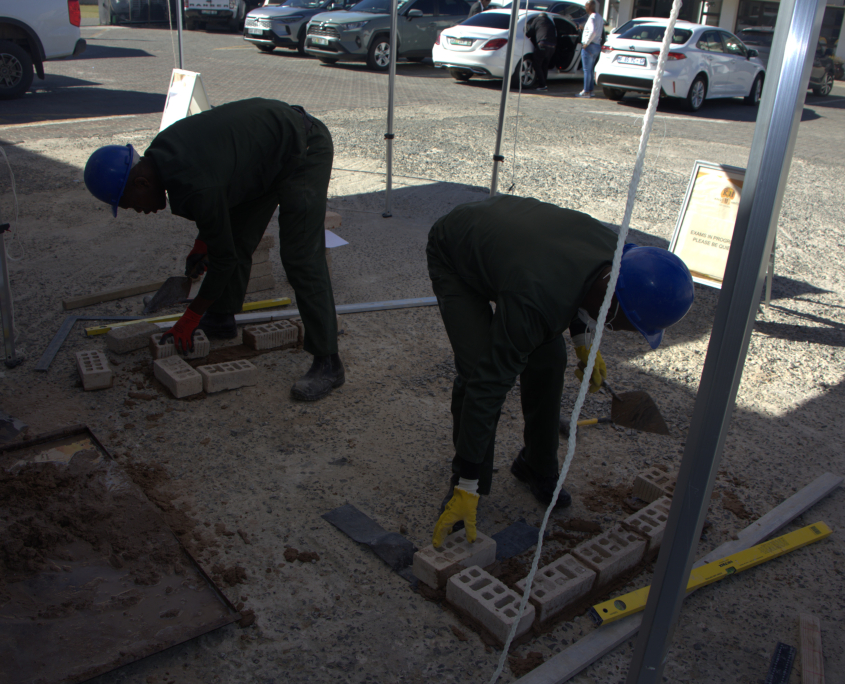
Adding vibrancy to the event, students from various campuses showcased their practical skills and products, demonstrating the college’s growing commitment to producing work-ready graduates equipped for the evolving labour market.